Dental cleaning
A cleaning visit removes plaque, tartar, and surface stain from the teeth.
- Examine the teeth and gums
- Remove hardened tartar
- Polish the teeth
- Review home care
Care for teeth and gums. The notes below are general. What is right for you is decided after an in-person assessment.
A dental cleaning is easy to treat as a routine polish. Healthy gums are part of keeping your teeth. Gums that bleed when you brush or floss are inflamed. That early stage is called gingivitis. It often follows a buildup of plaque, and then tartar, along the gumline and underneath it.
Tartar left in place for a long time can lead to gradual loss of the bone that supports the teeth. That later stage is periodontitis, also called gum disease. When it is advanced, teeth can loosen and may eventually be lost.
Plaque is a soft film. A toothbrush can remove much of it at home. Tartar is plaque that has hardened into a mineral deposit, and brushing does not take it off. Removing it is a professional step called scaling. Hand instruments, an ultrasonic scaler, or both may be used to remove tartar from the teeth. Polishing then clears surface stain and leaves the tooth smoother, so new plaque is less likely to cling.
To arrange a visit, call (905) 430-3030 or email salmadent101@gmail.com.
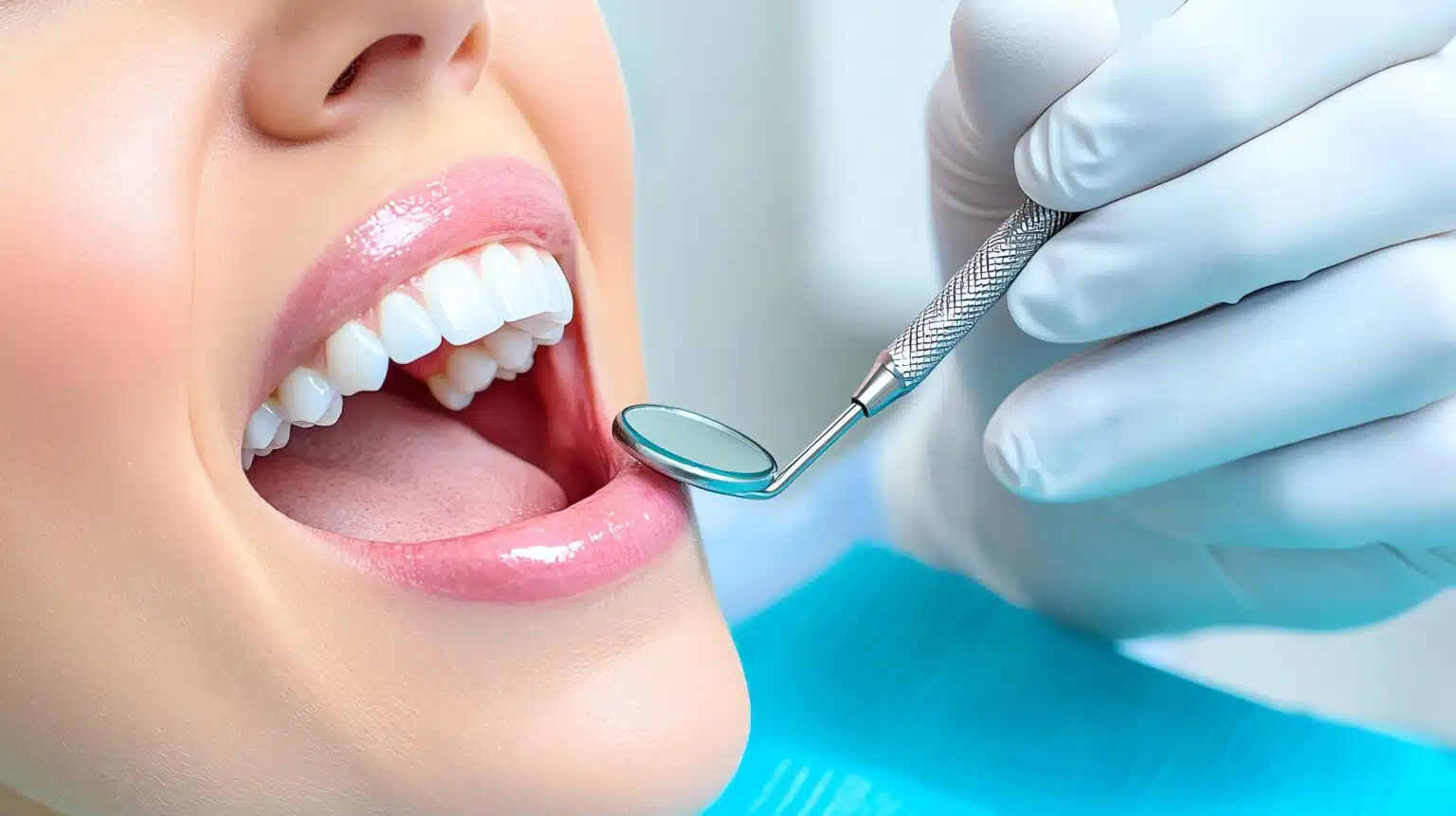
A cleaning visit removes plaque, tartar, and surface stain from the teeth.

Fluoride is applied in the clinic to strengthen enamel and lower the chance of new cavities.

A screening examines the soft tissues of the mouth for early changes.
Questions about these services can be directed to the clinic by phone or email.